
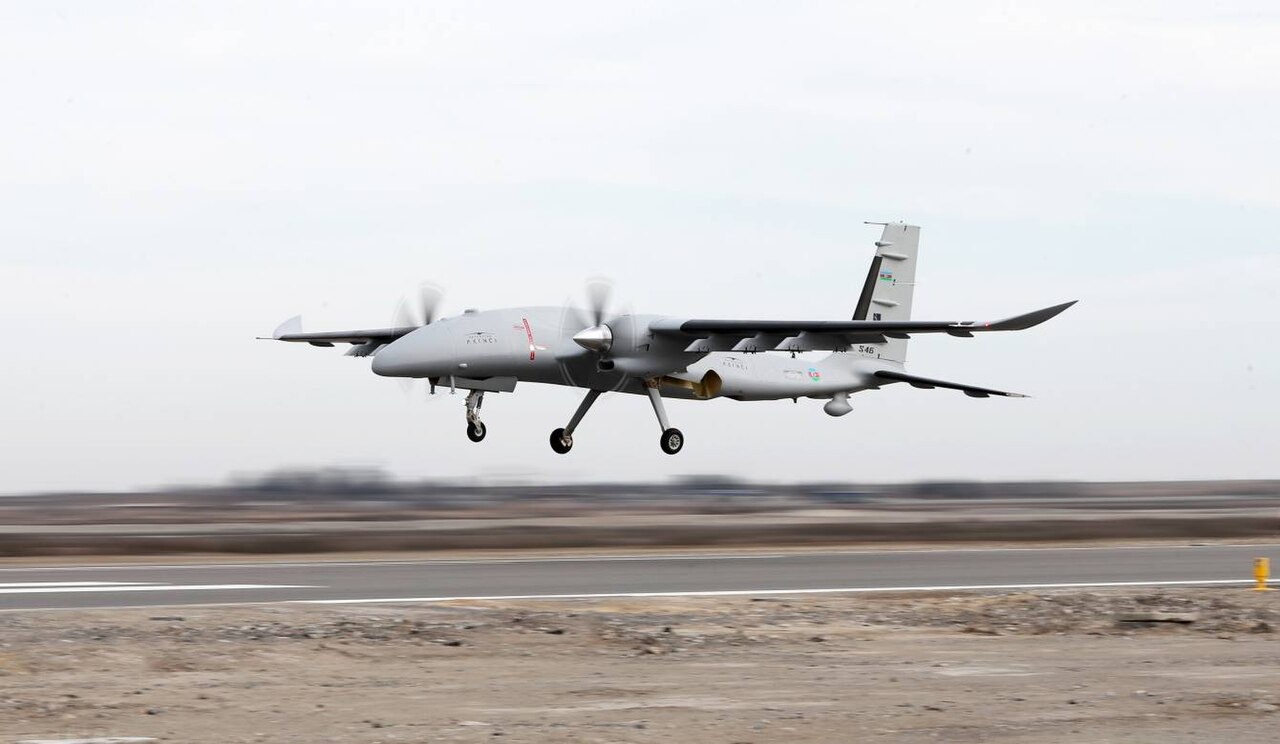
Naval News’ November 24 assessment of Baykar’s ORKA test concludes that Bayraktar AKINCI demonstrated an air-launched torpedo release, not a complete unmanned anti-submarine warfare mission. The aircraft released the ROKETSAN lightweight torpedo from an underwing station over the Gulf of Saros; ORKA entered the water at a designated point and AKINCI returned to base. Naval News’ technical assessment says the publicly documented test does not show a submarine search, tracking or engagement scenario.
The demonstrated capability is therefore platform–weapon integration and delivery to the water. It does not establish that the system detected or classified an underwater contact, generated targeting-quality localization data, received sensor cueing or completed an engagement. Naval News identifies those as necessary elements of a complete anti-submarine engagement chain.
Defense WarRoom reports that AKINCI has line-of-sight and satellite datalinks, but its account does not establish how the aircraft was controlled during the release or whether external sensor data supplied targeting information. The report also says the disclosed results are limited to separation and water entry. Defense WarRoom’s assessment says no sonobuoy-cued engagement linking unmanned sensing to the torpedo drop has been announced.
That leaves the test as a documented release demonstration rather than evidence of an operational end-to-end anti-submarine capability. Defense WarRoom reports that no date has been disclosed for ORKA qualification, a production contract or entry into the Turkish Naval Forces inventory. The sources also do not establish the operational status of an AKINCI-ORKA capability. Whether the aircraft can support the remaining detection, localization, cueing and engagement steps is unverified.